
What Is Slow Living for Children?
First, we should understand that slow living doesn’t mean doing less or falling behind. Ultimately, slow living means doing things with intention and presence, and maintaining a balance between life and work. For children, it focuses on:
- Learning at their own pace
- Enjoying the process, not just the outcome
- Building emotional awareness and patience
Certainly, creativity is a space for creating new opportunities with an everlasting positive impact on humanity.
Why the Young Generation Needs Slow Living
When the mind is overloaded, it loses the ability to process life with calm and clarity. Embracing slow living helps individuals navigate life’s chaos with balance and purpose. We do not need to become a machine to process our daily tasks; instead, we should restore inner balance.
1. Overloaded Minds Need Breathing Space
Within a single day, children juggle homework, tuition classes, competitive exams, extracurricular activities, and digital content. As we all know, overload often leads to anxiety, burnout, and loss of curiosity within ourselves. Meaningless living combined with the relentless pursuit of luxuries leads to a life that is both exhausting and unsustainable.
Example:
A child who rushes through homework just to attend the next class may finish tasks quickly, but lacks deep understanding. Slow learning allows the child to pause, ask questions, and truly absorb concepts.
2. Fast Life Is Reducing Attention Spans
Various studies show that short videos, quick rewards, and constant notifications train children to expect instant gratification. This scenario results in many issues for individuals, such as less focused learning, making it difficult in solvoing problems, and no logical conversations.
Solution:
A child who spends time gardening, drawing, or reading without time pressure learns patience and focus—skills that fast digital content cannot teach.
3. Emotional Intelligence Needs Time to Grow
Emotions are natural and cannot be rushed. We should create peace, strength, and long-term fullfillment with making our lives difficult. Slow living needs time to feel, reflect, and express, where every individual understands the meaningful conversation, self-awareness, and empathy towards mankind.
Solution:
Instead of hurrying a child to “move on” after a failure, slow living allows them to talk about disappointment, learn resilience, and rebuild confidence naturally. Making children understand that failure is not the end of tasks, instead making them realise that failure helps to rebuild things more perfectly after their mistakes. Recreating and rebuilding things is the process of knowledgable person who learn with their mistakes.
4. Creativity Flourishes in Unstructured Time
Creativity is a long-term process that doesn't bloom in packed schedules. All creativity flourishes where there is boredom, silence, and freedom. We should train the mind to have room for stillness, wandering, and imagination. This develops an interest in the individual to come up with new ideas and creativity.
Solution:
A child with free, unplanned time may invent stories, build imaginary worlds, or explore art—skills essential for innovation and problem-solving later in life. Children are born to learn and naturally create stories. Their imagination is so powerful that they can make wonderful stories.
5. Learning Becomes Meaningful, Not Mechanical
Slowing down, taking a break, and stimulating emotions are essential values for every individual to understand. We should not memorize everything; rather, we should practice things to make them easier.
Solution
Math becomes interesting for children through real-life activities such as cooking, shopping, and learning. We should incorporate activities while teaching so the subject becomes joyful and memorable instead of stressful.
How Parents and Educators Can Encourage Slow Living
- Reduce overscheduling
- Allow children to make mistakes without pressure.
- Encourage outdoor play and hands-on activities.s
- Practice mindful routines like reading together or journaling
- Focus on progress, not perfection
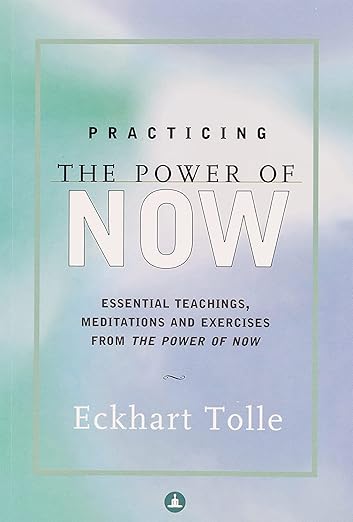
Book Recommendation for learning slow living
Link:

Link:
Conclusion
Learning fast is a new trend, but in the long run, the future doesn’t belong to the fastest learners. Children who are thoughtful and emotionally balanced can stabilise society and shape a compassionate and sustainable future. Slow living is the gift of presence, resilience, and a lifelong love for learning.
Comments