A Guide for Teachers and Parents: Turn Reading Into Creative Writing
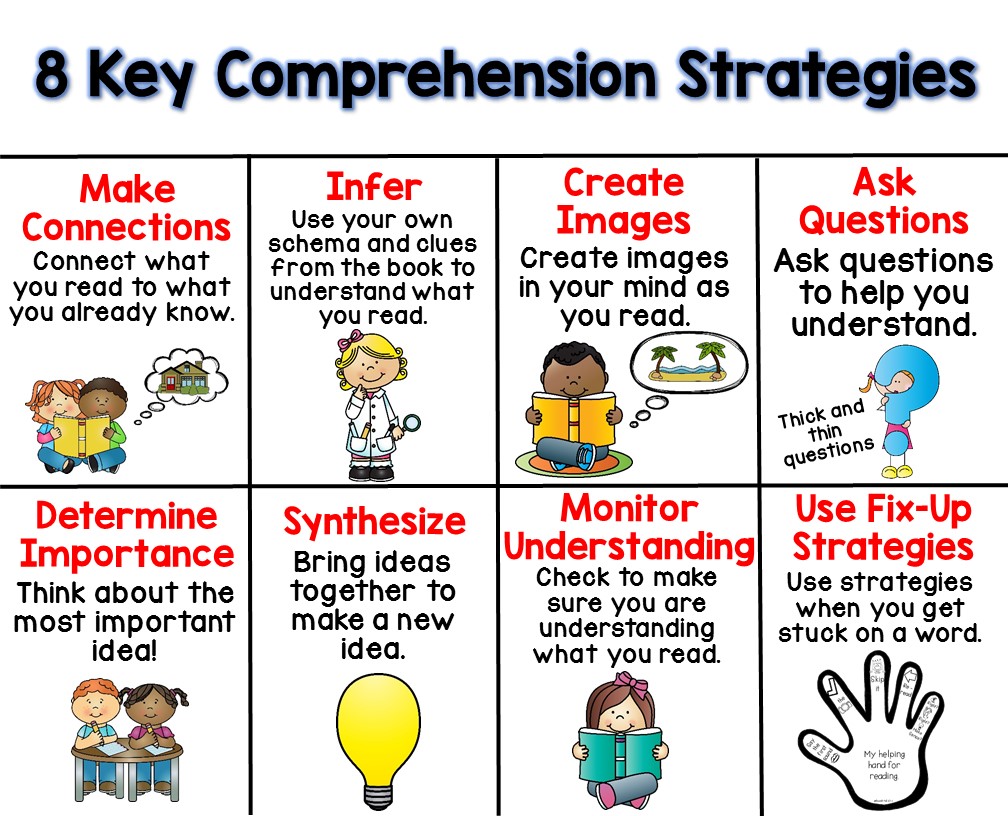
Imagine: A 9-year-old reads a paragraph about photosynthesis after finishing the last sentences, she says, "So... plants like to eat sunshine?". Wondering about her confusion, but that's her curiosity waiting to be guided.
Comprehension is not about the story or words, but it is about making meaningful understanding, connecting ideas, and seeing the world through one's own perspective. The level of understanding things is not about having a degree, but it's about the level of awareness in the respective field. Whatever the role you're into, teacher or a parent! You hold the keys to unlock a deep understanding of your kid.
In this blog, we are going to learn about how we can turn young readers into active thinkers, along with creativity, joy, and a dash of deep understanding.
The meaningful Detective: Unlocking the deeper young minds' ability
Most of the children read books and soon forgot whatever they read. Flip the script by making children learn how to turn reading into an investigation.
Let's be creative by giving
- Reading detective kit, a magnifying glass, sticky notes, and a journaling diary.
- Telling them whatever they read about the topic, just find out what, why, when, where, and how about the topic.
- While they read, try to give clues, character motives, hidden emotions, cause and effect chain.
- After every read, ask them to explain or brief what they have learnt and what the text really means.
A Pro Tip for Parents: Always interact with your child about what they are currently reading instead of how much they completed their reading.
2. Invite Children to Immerse Themselves in the Narrative
3. Dramatic Engagement Leads to Profound, Internalized Learning
- Freeze-Frame: Make a living picture of an important scene, then tell what's in your character's mind.
- 60-second Report: Turn a story part into a quick TV news bulletin with a funny headline.
- Emotion Charades: Act out character feelings without taking, then discuss the reason for that feeling.
Classroom Hack for Teachers: one student sits in the hot seat as a Harry Potter or Malala, while classmates interview them using evidence from the text.
4. Draw the Idea, Don't Just Talk About It
When students actively convert the text into a sketch, they stop being passive readers and become directors. They have to decide:
- What does the character look like?
- What is the setting's lighting?
- What is the action sequence?

Visual Tools: Use creative visual formats to summarize and connect ideas:
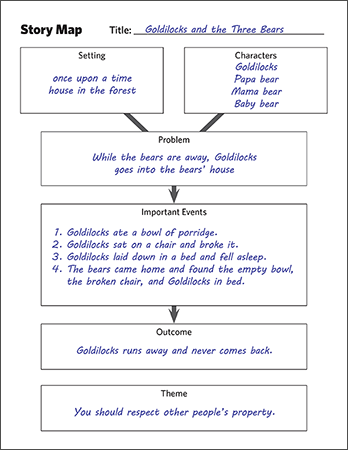
Story Maps: Draw simple boxes and arrows to map the plot, characters, and setting.
Comic Strips: Turn scenes into quick panels, illustrating the sequence of events.
Emoji Summaries: Use emojis as a fun, modern shorthand to represent the main ideas or titles (e.g., 👨🌾 + 💰 + 🍄 = Jack and the Beanstalk). Approach the Topic with Total Curiosity.
5. Teach kids to ask questions—not just answer them.
Easy Questions (Recall), Deep Questions (Analysis & Inference)
Who? What? When?, Why? How? What if?
The Goal: Inspire students to ask questions that are genuinely hard to answer, questions that even adults would have to debate. This is where the best learning happens, because the student isn't just looking for an answer; they're beginning to think for themselves about complex ideas.
5. Talk It Out—In Pairs, Groups, or Even to a Stuffed Animal
Comprehension thrives in conversation. The classic method of thinking alone, discussing with a partner, and then sharing with the class still works, but you can make it more interesting with a challenge:
Teach the Toddler: Tell your partner to explain the idea in a simple way that a 5-year-old could understand. This forces them to break down complex ideas into a beautiful
Mini-Debate: Instead of just summarizing, give partners a controversial question and have them debate the topic.
For example, was the Big Bad Wolf actually the victim in the story?
At Home: Let your child “teach” their teddy bear a new vocabulary word or summarize Diary of a Wimpy Kid in three sentences.
6. Misunderstandings are Learning Clues
Instead of saying, "No, that's wrong," turn the misinterpretation into a chance for deeper thought. If a child gives a faulty answer (e.g., "The character was angry because it was raining"),
Don't Correct: Avoid just giving the right answer.
Probe for Reasoning: Ask questions like, "What made you think that?" or "Which words in the story made you feel that way?"
Collaborate: Say, "Let's look back together" to guide them to the text.
Final Thought: Comprehension Is Connection.
At its heart, reading comprehension is about "relating"—to characters, ideas, the world, and oneself. So, whether you’re guiding a classroom of 30 or snuggling with one under a blanket, remember: You’re not just teaching kids to read. You’re teaching them to wonder, question, imagine, and understand.
And that?
That’s how we raise thinkers—not just readers.
Final Thought: Comprehension is about relating to characters, new ideas, the world, and various imagination. And that? That’s how we raise thinkers—not just readers. Try one of these strategies this week. Notice the spark in their eyes when they get it, not because you told them, but because they discovered it themselves.
Do you have a favorite comprehension strategy or technique?
Share it in the comments!
Let’s build a community of meaningful learning.
Some book links where children can practice comprehension skills are given below.
Comments