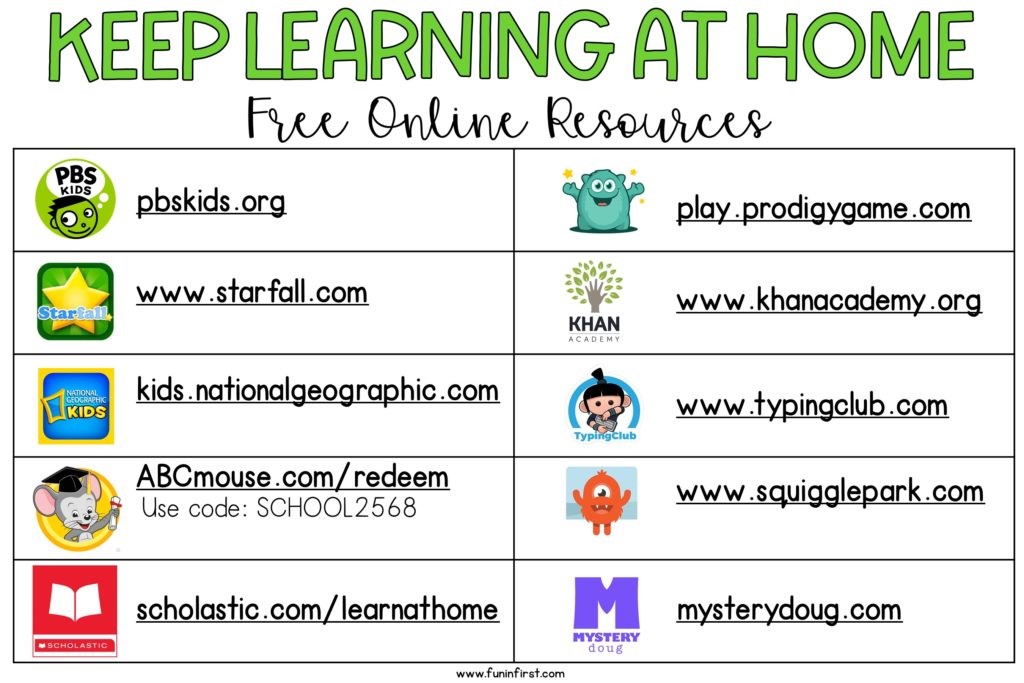
Here, we all learn about how to help students thrive in the digital classroom.
1. Design A Dedicated Learning Ecosystem:
The first step is to establish a clear separation between school and home within four walls, including physical boundaries like time and focus. Creating a designated and quiet learning zone for children is more important for a brighter future. The study area should be a common area to facilitate supervision and help prevent isolation. Invests in a comfortable seat, as good posture is essential for maintaining concentration and preventing strain during prolonged periods of screen time.
Understanding Digital Distraction, the learning device should be dedicated primarily to schoolwork. Limit notifications from social media and entertainment apps. In addition to using built-in website blockers for specific sites.
2. Establish and Maintain a Routine ⏰
Maintaining a proper and structured routine helps children make the transition to e-learning much smoother. Sticking to a timetable allows children to learn effectively and consistently. Short, regular breaks are non-negotiable! The human attention span wasn't designed for back-to-back screen time.
If we use the Pomodoro technique, we take a 10-minute break for every 45-60 minutes of study. Always make sure to take this time for physical movement, a healthy snack, or just stepping away from the screen.
3. Foster Independence and Ownership
A key to successful e-learning for your child is helping them develop self-management and accountability skills. For independent learning, assist them with the following.
Assisting in Learning: Sit down with your student and discuss their schedule, goals, and expectations for the week. When they take part in the planning, they gain ownership of their education.
Understand, Don’t Hover: Be available to help, but don’t micromanage every minute. Instead of sitting next to them all day, schedule brief, regular check-ins. Ask, "What are your learning goals for this morning?" or "What was the most interesting thing you learned today?"
Use Organizational Tools: Help them create a system where they understand their progress—a digital calendar, a physical planner, or a simple whiteboard—to track assignments, deadlines, and project milestones. Learning to manage time and tasks is a valuable skill that e-learning can enhance.
4. Bridge the Gap Between Screen and Life 🧩
The best support links digital lessons to real-life situations. Parents should grasp how learning is changing. We should not judge it based on our own experiences.
"Teach Me" Moments: Encourage your student to explain a new concept they've learned. Teaching is one of the most effective ways to reinforce knowledge. If they can explain it clearly, they really understand it.
Take Learning Offline: Find ways to apply online lessons through hands-on, offline activities. For instance, if they are learning fractions, bake cookies together. If they are studying plants, start a small houseplant or garden. This turns abstract ideas into tangible and enjoyable experiences.
Communicate with Educators: Be proactive in using the school's online learning platform and communication tools. Consistent, respectful communication with teachers helps you keep track of your student's progress and any areas where they may need extra help.
Prioritize Well-being and Mental Health
The main challenges in e-learning are stress, isolation, and screen fatigue. As parents, we need to be an emotional support for our children.
Be a Listener: The frustration from technical issues, feeling disconnected from friends, or struggling with new material can be overwhelming. Create a safe space for them to express their feelings without judgment.
Encourage Connection: Use technology in a meaningful way to maintain social connections. Schedule virtual playdates, group study sessions, or calls with family and friends to reduce loneliness.
Monitor Screen Fatigue: Look for signs of excessive screen time, such as eye strain, headaches, or irritability. Make sure their whole day includes a balance of exercise, hobbies, and family time that does not involve screens.
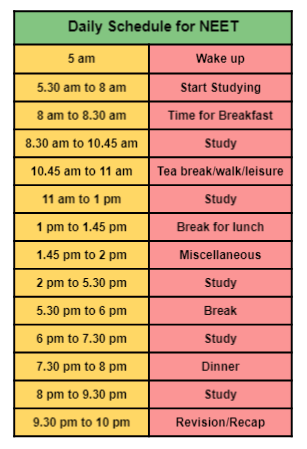
To support this, I have shared a timetable to ensure smooth e-learning.
In short
We should understand that successful e-learning at home is not as easy for parents. It is just like running in a marathon. Be an emotional supporter, a mentor, and a teacher by focusing on structure, support, and flexibility. A thoughtful parent can create a dynamic and effective environment where your student not only manages their workload but truly thrives. Recognizing the process and remembering that you're also in a queue of learning alongside them!
Comments