Spelling is always a tricky concept for every individual, but breaking it into simple rules helps children to write correctly, spelling every time. English words are borrowed from many other languages, like "Greek" and "Latin," so it can be mastered by anyone. First, focus on simple rules that help your child write better every time.
Step-by-step rules are as follows:
1. Introduce One Rule at a Time
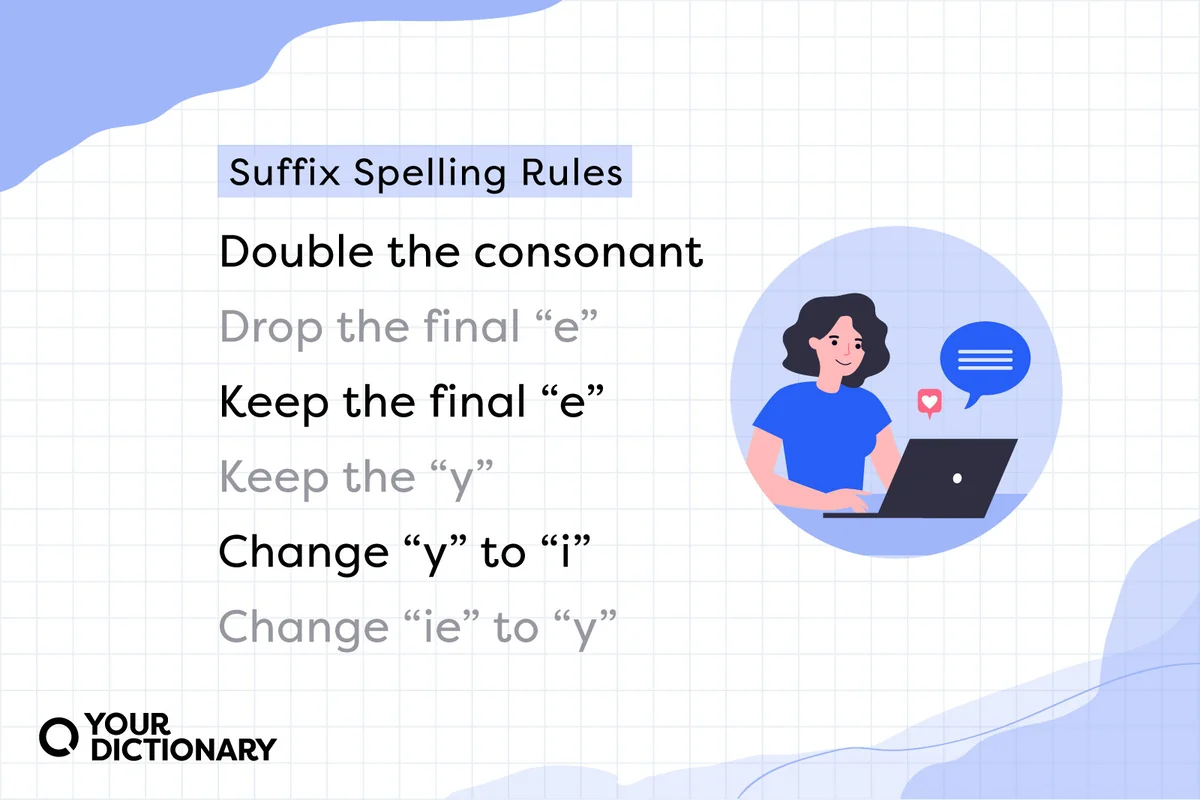
Every week, focus on one rule, using double consonants, and how to add suffixes. For example, in the image, words like "cut" and "cutting" show doubling the last letter before adding - "ing". Teaching one rule makes them learn more easily about the spellings. Spelling rules are the guidelines for how words are spelled in a language.

2. Use Clear Examples
Demonstrate rules with examples." I before e, except after c rule, doubling the final consonant before adding suffixes like 'ing". If the word ends in a single vowel and consonant, dropping the silent 'e' when adding vowel suffixes, and that "u' always follows "q". These example makes the spelling easy to learn with regular reading.
3. Practice Regularly With Fun Activities
Make spelling practice playful by turning rules into a game. Ask the child to write the word ending with "-ck" or "-ing". Learn, practice, and repeat is the ultimate key to gaining command of writing.
4. Adapt Both Writing and Reading
Reading storybooks is the best way to enhance spelling skills. In the beginning, just include short stories that help them connect with the topic. Regular writing and reading help to learn things by heart. The words that appear repeatedly help kids see spelling in context.
5. Positive Reinforcement
Celebrating progress of every achievement is another key to maintaining interest to learn more. Praising or a little reward keeps the child motivated. Always choose easy ways of learning and gradually increase the standard.
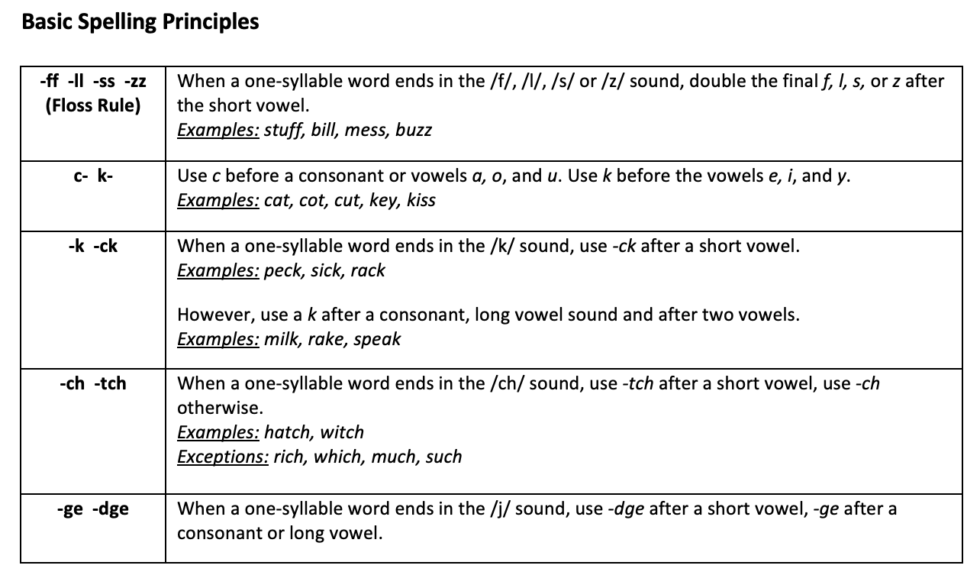
The Basic Rules That You Can Follow for your kid's language learning:
- Punctuation and Capitalization
- vowels
- Adding Suffixes to the Ending in "y"
- Plural Suffixes "s" and "es"
- The silent "E"
- Double Consonants
- Commonly confused words and homophones
- Practicing with a printable worksheet based on the English language.
If you use these basic rules, your child will also master spelling, and it will allow them to write in a structured manner.
Some books that help your kids in their spelling learning journey, which are my personal favourites
Comments